
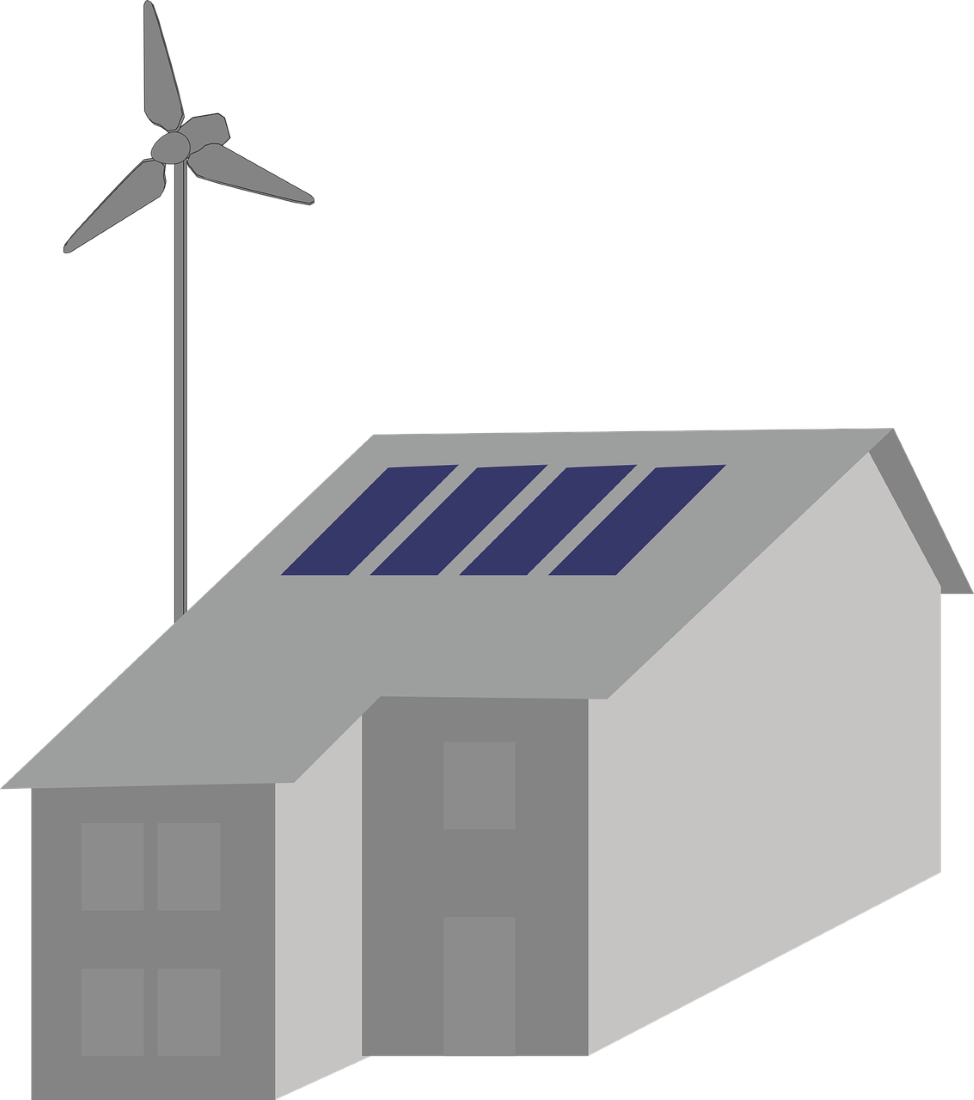
Are you tired of being reliant on the grid for your energy needs? If so, you’ve come to the right place. In this article, we will explore some off-grid energy tricks that can help you break free from the chains of traditional power sources. Whether you’re looking to reduce your carbon footprint, become more self-sufficient, or simply save money on your energy bills, these tips will surely come in handy. From harnessing solar power to using wind turbines, there are numerous sustainable and innovative solutions to generate electricity off the grid. We’ll delve into the world of portable generators, battery storage systems, and even explore ways to optimize energy usage in your home. Get ready to discover the power of off-grid living and learn how to embrace a more sustainable lifestyle. It’s time to take control of your energy future.
What is off-grid energy?
Off-grid energy refers to the generation and consumption of electricity without being connected to the traditional power grid. Instead of relying on utility companies for electricity, off-grid systems generate power from renewable sources such as solar, wind, hydro, or biomass. These systems typically consist of solar panels, wind turbines, batteries, and inverters that convert the energy into usable electricity. Off-grid energy is a viable solution for individuals and communities looking to reduce their carbon footprint, achieve energy independence, and secure a reliable power source in remote areas.
Off-grid energy systems are designed to provide electricity for various purposes, including residential, commercial, and industrial applications. They offer a sustainable alternative to traditional power sources and can significantly reduce reliance on fossil fuels. By harnessing the power of nature, off-grid energy systems provide a clean and renewable energy solution that is both environmentally friendly and cost-effective.
Advantages of off-grid energy
There are several advantages to embracing off-grid energy solutions. Let’s take a closer look at some of the key benefits:
- Energy independence: One of the biggest advantages of off-grid energy is the ability to be self-sufficient. By generating your own electricity, you are no longer reliant on utility companies or vulnerable to power outages. This is particularly beneficial for those living in remote areas where connecting to the grid may be expensive or impractical.
- Reduced carbon footprint: Off-grid energy systems rely on renewable sources of energy, such as solar and wind power. By switching to these clean energy sources, you can significantly reduce your carbon footprint and contribute to the fight against climate change. Off-grid living allows you to embrace a more sustainable lifestyle and be part of the transition towards a greener future.
- Lower energy costs: While the upfront costs of setting up an off-grid energy system can be higher compared to traditional grid-connected systems, the long-term savings can be substantial. Once your system is up and running, you can enjoy free electricity generated from renewable sources. Over time, this can lead to significant savings on your energy bills, making off-grid energy a cost-effective solution in the long run.
- Increased reliability: Off-grid energy systems are designed to provide a reliable power source, even in the face of power outages or grid failures. With battery storage systems, you can store excess energy produced during the day and use it during the night or when the sun is not shining. This ensures a continuous power supply and eliminates the inconvenience and disruption caused by blackouts.
- Flexibility and scalability: Off-grid energy systems offer flexibility and scalability, allowing you to tailor your system to meet your specific energy needs. Whether you’re powering a small cabin in the woods or an entire off-grid community, you can design a system that suits your requirements. As your energy needs change over time, you can easily expand or upgrade your system to accommodate increased demand.
Off-grid energy statistics
Before diving into the different types of off-grid energy systems, let’s take a look at some interesting statistics that highlight the growing popularity and potential of off-grid living:
- According to the International Energy Agency (IEA), around 770 million people worldwide still lack access to electricity. Off-grid energy solutions can play a crucial role in bridging this energy gap and providing electricity to remote and underserved communities.
- The off-grid solar market has been experiencing rapid growth in recent years. The Global Off-Grid Lighting Association (GOGLA) estimates that the market has grown by an average of 30% annually since 2012.
- Off-grid energy systems can have a significant impact on reducing greenhouse gas emissions. The United Nations Development Programme (UNDP) reports that off-grid solar solutions have the potential to reduce global CO2 emissions by 1.8 million tons per year.
- Off-grid energy systems are not only beneficial for rural areas but also for urban environments. The US Department of Energy estimates that 70% of the electricity in the United States could be generated by rooftop solar systems.
These statistics highlight the immense potential and benefits of off-grid energy solutions in addressing energy poverty, promoting sustainable development, and combating climate change.
Types of off-grid energy systems
There are several types of off-grid energy systems, each harnessing different sources of renewable energy. Let’s explore some of the most common types:
- Solar power: Solar energy is the most popular and widely used off-grid energy source. Solar panels convert sunlight into electricity using photovoltaic (PV) cells. These panels can be installed on rooftops, mounted on the ground, or integrated into portable systems. Solar power is reliable, abundant, and requires minimal maintenance, making it an ideal choice for off-grid living.
- Wind power: Wind turbines convert the kinetic energy from the wind into electrical energy. They are particularly suitable for areas with consistent and strong winds. Wind power can be harnessed on a small scale for residential use or on a larger scale for community or commercial applications.
- Hydro power: Hydroelectric power utilizes the flow of water to generate electricity. It is a highly efficient and reliable source of off-grid energy, especially in areas with access to flowing water. Micro-hydro systems can be installed in rivers or streams to generate electricity for individual homes or small communities.
- Biomass: Biomass energy involves the use of organic matter, such as wood pellets, agricultural waste, or animal manure, to generate heat or electricity. Biomass systems can be used for heating, cooking, or electricity generation, making them a versatile off-grid energy solution.
- Hybrid systems: Hybrid off-grid energy systems combine multiple renewable energy sources to maximize energy production and ensure a consistent power supply. For example, a hybrid system may include solar panels, wind turbines, and a backup generator or battery storage system.
Each type of off-grid energy system has its own advantages and considerations. The choice of system depends on factors such as location, available resources, energy needs, and budget.
Assessing your energy needs
Before diving into the specifics of off-grid energy systems, it is important to assess your energy needs. Understanding your energy consumption patterns and requirements will help you design an efficient and appropriately sized off-grid system.
Start by conducting an energy audit of your home or business. This involves analyzing your electricity usage and identifying areas where energy can be saved. Consider factors such as the number of appliances, lighting, heating and cooling systems, and any other electrical devices that consume power.
To accurately assess your energy needs, collect data on your daily, monthly, and annual energy consumption. This will give you insights into your peak energy demand and help you determine the capacity of the off-grid system required to meet your needs.
Additionally, consider any future energy requirements. If you plan to expand your living or working space, add new appliances, or make any changes that could increase your energy consumption, factor these into your calculations. It’s always better to plan for future growth and ensure that your off-grid system can accommodate any future energy needs.
By conducting a thorough energy assessment, you can optimize the design and capacity of your off-grid energy system, ensuring that it meets your current and future energy requirements.
Off-grid energy solutions for homes
Off-grid energy solutions for homes offer a sustainable and reliable alternative to grid-connected systems. Whether you live in a remote area, want to reduce your carbon footprint, or simply want to be more self-sufficient, off-grid living can provide you with the power and freedom you desire.
Here are some off-grid energy solutions for homes:
- Solar power: Solar panels are a popular choice for residential off-grid systems. They can be installed on rooftops or mounted on the ground to capture sunlight and convert it into electricity. The electricity generated can be used to power your home’s appliances, lighting, heating, and cooling systems. Battery storage systems can store excess energy for use during the night or when the sun is not shining.
- Wind power: If you live in an area with consistent and strong winds, a wind turbine can be a viable off-grid energy solution. Wind turbines harness the power of the wind to generate electricity, which can be used to power your home. Like solar power, wind power can be combined with battery storage systems to ensure a continuous power supply.
- Hybrid systems: Hybrid off-grid systems combine multiple renewable energy sources to maximize energy production and ensure reliability. A hybrid system may include solar panels, wind turbines, and battery storage, along with a backup generator for emergencies. This allows you to take advantage of the strengths of different energy sources and ensures a consistent power supply.
- Battery storage systems: Battery storage systems are an essential component of off-grid energy systems. They store excess energy generated by solar panels or wind turbines and provide power during periods of low or no generation. Battery technology has advanced significantly in recent years, offering improved efficiency and longer lifespan. By integrating battery storage into your off-grid system, you can store and use energy when it is most needed.
- Energy-efficient appliances: To optimize energy usage in your off-grid home, consider using energy-efficient appliances. Energy-efficient refrigerators, lighting, heating, and cooling systems can significantly reduce your energy consumption, allowing you to maximize the efficiency and effectiveness of your off-grid energy system.
When designing an off-grid energy system for your home, consider factors such as your energy needs, available resources, budget, and any local regulations or restrictions. Consulting with a professional off-grid energy specialist can help you design and install a system that meets your specific requirements.
Off-grid energy solutions for businesses
Off-grid energy solutions are not limited to residential applications. They can also be highly beneficial for businesses, particularly those located in remote areas or with high energy demands. Off-grid energy solutions for businesses offer the same advantages of energy independence, reduced costs, and environmental sustainability.
Here are some off-grid energy solutions for businesses:
- Solar power: Solar panels can be installed on rooftops or ground-mounted to provide electricity for businesses. Solar power can be used to power lighting, office equipment, machinery, and other energy-intensive operations. By generating your own electricity, you can reduce your reliance on the grid and save on energy costs.
- Wind power: If your business is located in an area with strong and consistent winds, a wind turbine can be a viable off-grid energy solution. Wind power can be used to meet the energy demands of manufacturing facilities, data centers, agricultural operations, and other businesses. It offers a reliable and sustainable source of electricity, reducing both costs and environmental impact.
- Hybrid systems: Hybrid off-grid systems can be tailored to meet the specific energy needs of businesses. By combining solar power, wind power, battery storage, and backup generators, businesses can ensure a consistent power supply and minimize downtime. Hybrid systems offer flexibility, scalability, and reliability, making them an ideal choice for businesses with varying energy demands.
- Energy management systems: Energy management systems can help optimize energy usage in businesses. These systems monitor and control energy consumption, allowing businesses to identify areas where energy can be saved and implement energy-saving measures. By managing energy usage efficiently, businesses can further reduce their energy costs and maximize the effectiveness of their off-grid energy systems.
- Microgrids: Microgrids are localized energy systems that can operate independently or in conjunction with the main grid. They combine renewable energy sources, energy storage systems, and advanced control technologies to provide a reliable and resilient power supply. Microgrids can be particularly beneficial for businesses in remote areas or areas prone to grid failures or outages.
When implementing an off-grid energy system for your business, consider factors such as your energy requirements, available resources, budget, and any regulatory or grid connection constraints. Engaging with a professional off-grid energy consultant can help you design and implement a system that meets your business needs and maximizes the benefits of off-grid living.
Maintenance and troubleshooting of off-grid energy systems
Once your off-grid energy system is installed and operational, it is important to ensure regular maintenance and troubleshooting to keep it running smoothly. Proper maintenance will help maximize the lifespan of your system, optimize its performance, and minimize potential issues.
Here are some maintenance and troubleshooting tips for off-grid energy systems:
- Regular inspections: Schedule regular inspections of your off-grid system to identify any signs of wear and tear, damage, or malfunction. Inspect solar panels for dirt, debris, or shading that can reduce their efficiency. Check wind turbines for loose or damaged components. Inspect battery storage systems for corrosion, leaks, or any signs of deterioration.
- Cleaning: Keep solar panels clean and free from dirt, dust, leaves, or any other obstructions that can reduce their performance. Regularly clean wind turbines to remove any debris or buildup that can affect their efficiency. Clean battery terminals and connections to ensure proper functioning.
- Battery maintenance: Proper battery maintenance is crucial for the longevity and performance of your off-grid system. Follow manufacturer guidelines for battery maintenance, including checking electrolyte levels, cleaning terminals, and ensuring proper ventilation. Monitor battery performance and replace any degraded or faulty batteries promptly.
- System monitoring: Install a monitoring system to track the performance of your off-grid energy system. This can include monitoring software, data loggers, or remote monitoring devices. Monitoring allows you to identify any performance issues, detect faults or malfunctions, and take corrective measures in a timely manner.
- Troubleshooting: In the event of a system malfunction or failure, troubleshooting is essential to identify and resolve the issue. Consult the system’s user manual or contact the manufacturer or installer for guidance. If necessary, engage the services of a professional off-grid energy technician to diagnose and repair any complex issues.
Regular maintenance and troubleshooting will ensure the optimal performance and longevity of your off-grid energy system. By taking proactive measures and addressing any issues promptly, you will mitigate disruptions of your energy supply.